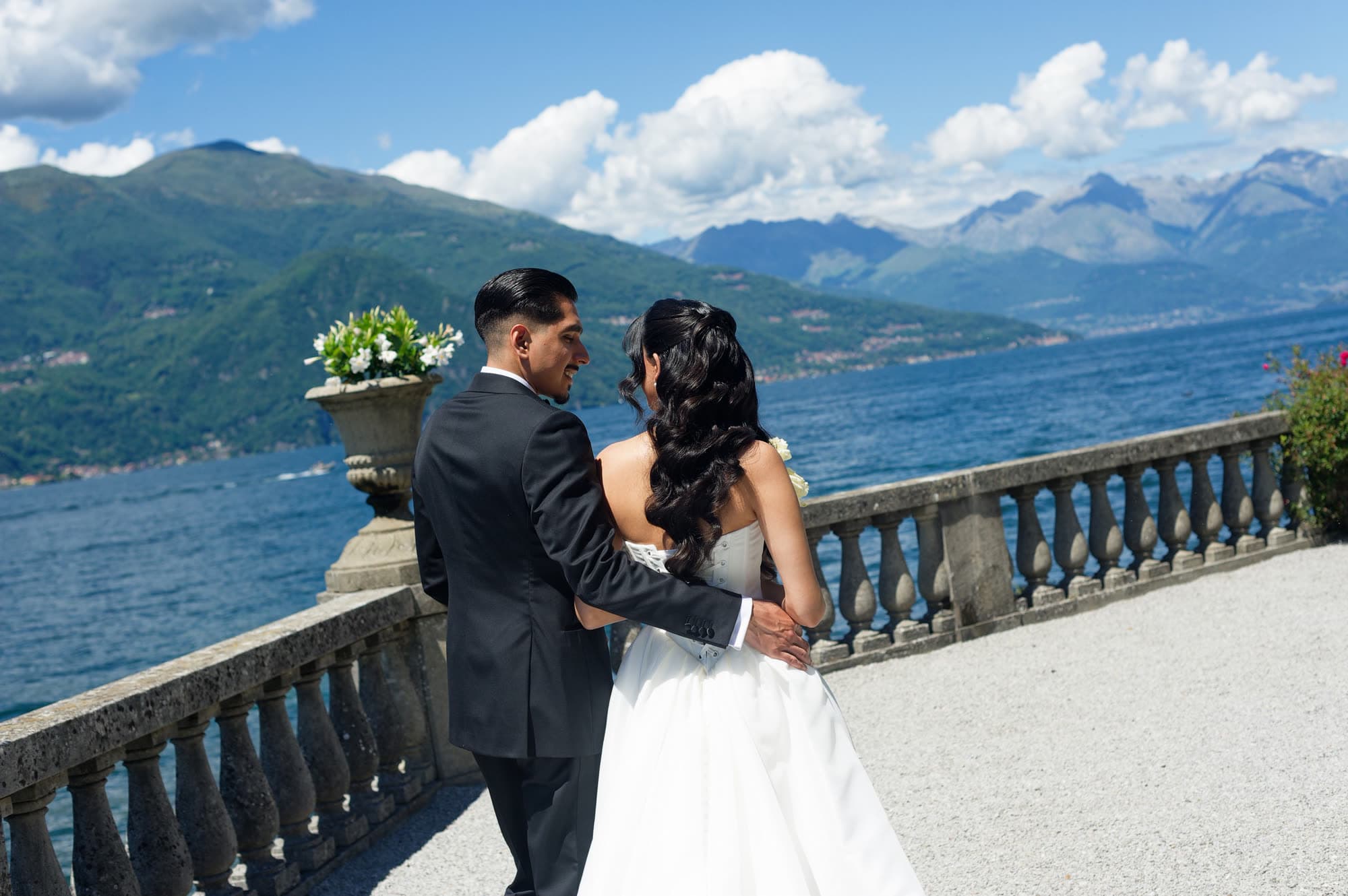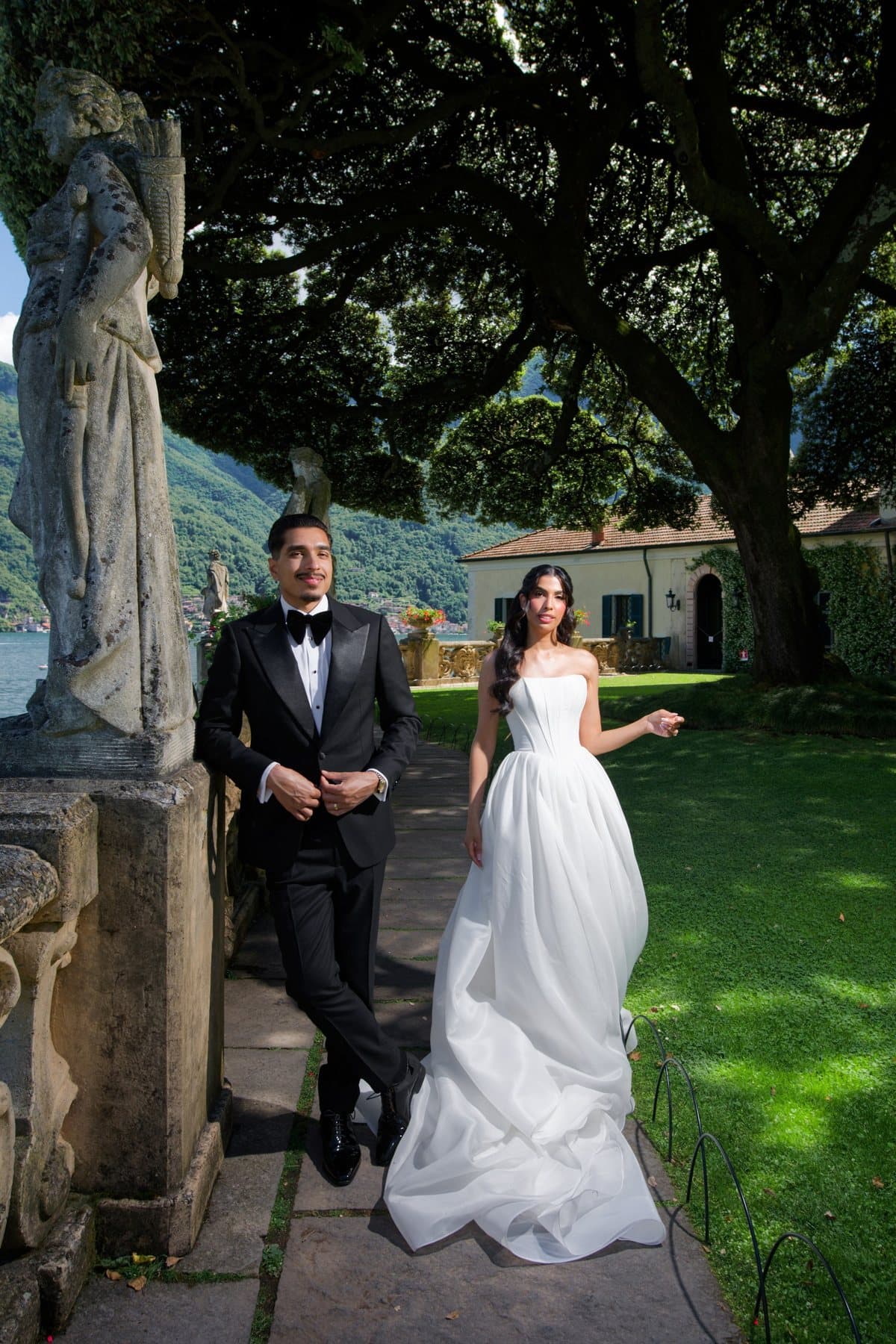


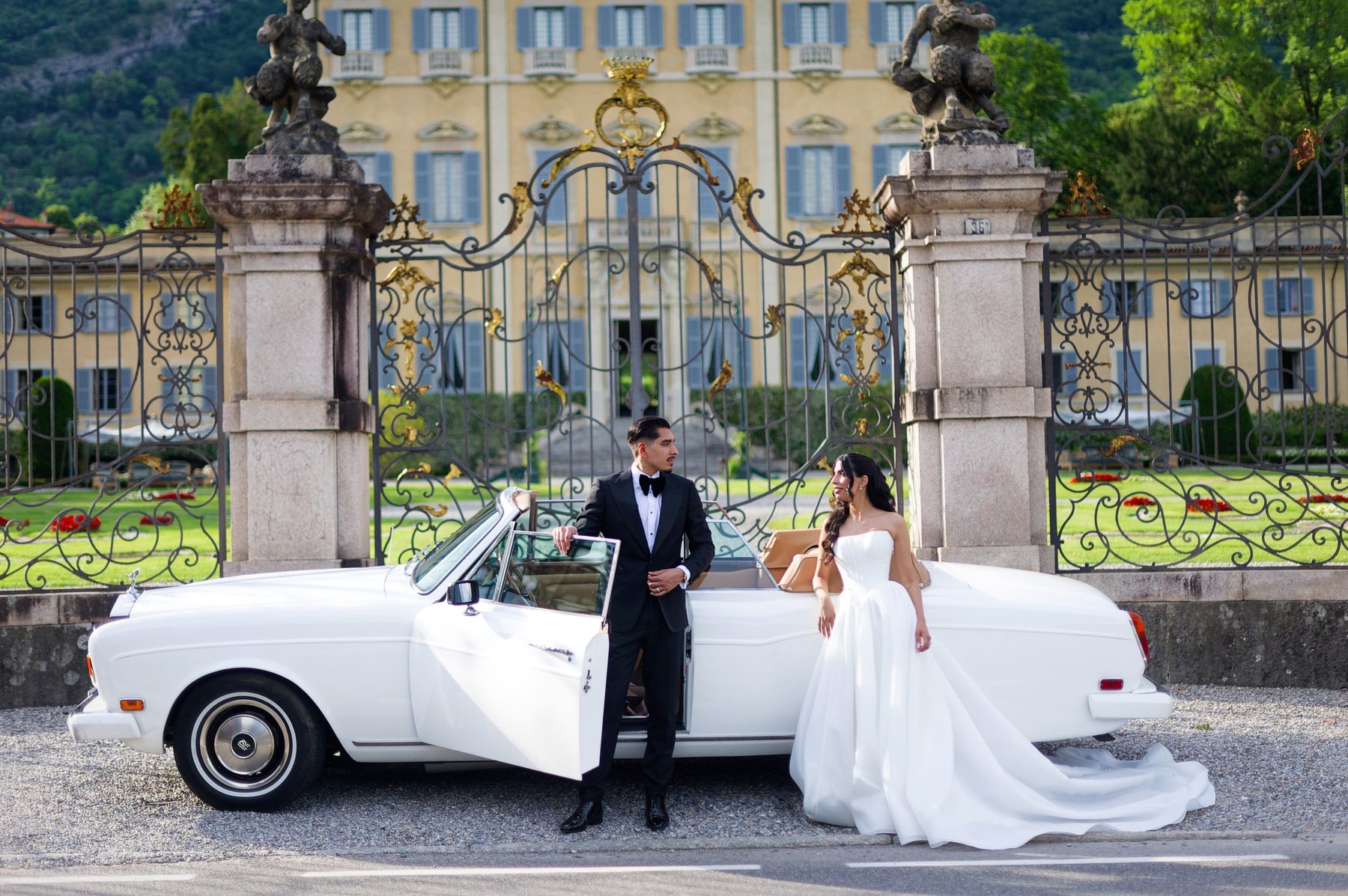
If your wedding date sits between October and February, your tuxedo has a harder job than it does in June. A tuxedo Edmonton grooms wear to a July garden ceremony is a different garment, in weight and construction, from one worn to a November reception at a venue with a fireplace and a coat check line out the door.
This is a guide for that second group. It covers what changes when the wedding moves indoors and the temperature drops, what to order and when, and what a proper fitting looks like once you get there. It also covers the two mistakes that show up most often once the leaves are down and the receptions move indoors: booking too late, and choosing a cloth built for a season that has already ended by the time the ceremony starts.
Why Fall and Winter Change the Tuxedo Equation
Edmonton's average January high sits well below freezing, and even October evenings can dip close to zero. Environment and Climate Change Canada's climate normals confirm what anyone who has stood outside for wedding photos in November already knows: the light is beautiful and the air is not forgiving.
That means your tuxedo needs to survive a walk from the car, a photo session outdoors, and several hours indoors under warm lighting without you sweating through it or shivering through the ceremony. A summer-weight tropical wool tuxedo will not do both jobs well. Neither will a coat cut for looks alone with no room underneath for an overcoat.
There is also the question of what happens between the ceremony and the reception. Most fall and winter weddings in Edmonton involve at least one outdoor stretch, whether that is a church door photo or a walk across a hotel parking lot to the reception hall. An overcoat solves the cold, but only if the tuxedo underneath was cut with that overcoat in mind. A jacket that fits perfectly on its own can pull at the shoulders the moment a topcoat goes over it, and that is a fit problem nobody wants showing up in the receiving line photos.
The Timeline Problem Nobody Warns You About
Every garment at Conxeppt is handcrafted, and that takes 4 to 6 weeks from the day your order is placed.
Fall and winter grooms tend to underestimate this because the wedding still feels far off in August when they book the venue. Then the invitations go out, the caterer needs a headcount, and the tuxedo becomes an afterthought squeezed into three weeks before the date. Three weeks is not enough time for a hand-finished garment, and it is not enough time to fix a fit issue if one turns up at the first fitting.
The fix is simple. Book your first fitting the same month you book your photographer, not the month before the wedding. If you want the full case for building in that lead time, our weddings page lays out what to expect from first appointment to wedding day.
Cloth Weight and What Actually Keeps You Warm
A heavier cloth does more than keep you warm. It drapes better, holds its shape through a long reception, and photographs with more structure under flash and low light. For a fall or winter wedding, a mid-to-heavy weight wool, somewhere in the 300 to 380 gram range, is the sensible starting point rather than the lightweight cloths built for a June ceremony.
Layering matters as much as weight. A tuxedo cut with a half-inch of ease through the chest and shoulders leaves room for a vest or a thin base layer without the jacket pulling across the back. This is the kind of adjustment that gets discussed and measured at your fitting, not guessed at from a size chart.
If you are still deciding between a tuxedo and a suit for the day itself, we have written about that trade-off in detail in Tuxedo vs Suit for Weddings.
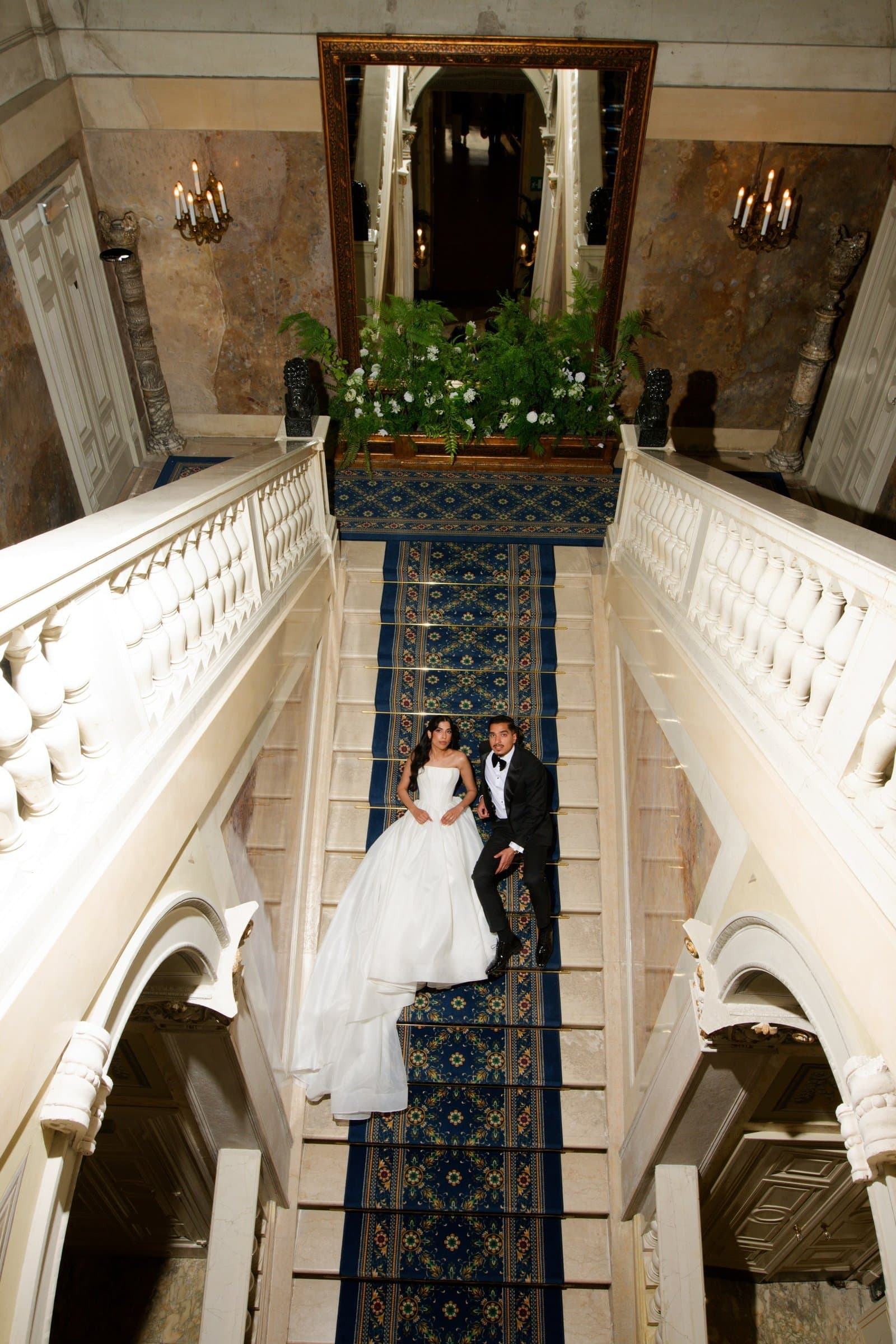
Buy or Rent, and Why the Season Tips the Answer
Rental tuxedos are built to a generic pattern, and generic patterns do not account for an overcoat underneath or a vest layered in for a January reception. A rented jacket sized for a summer fit will feel tight the moment you add a layer for warmth, and there is no fitting appointment to fix it before the ceremony starts.
Custom tuxedos at Conxeppt start from $1,388 and are cut to your body and your season, not to a rack average. We have written a full comparison of the true costs on both sides in Tuxedo Edmonton: Should You Buy or Rent for Your Wedding?, which is worth reading before you decide either way.
Coordinating Groomsmen When the Weather Is Working Against You
A winter wedding party usually means coats in the entryway, gloves in someone's pocket, and a group photo taken fast before everyone gets cold. None of that looks good if the groomsmen's tuxedos were rented in three different shades of black under three different lighting conditions, or if half the party added a vest for warmth and the other half did not think to ask.
Coordinating a group for a cold-weather wedding takes more planning than a summer one, because there are more layers to match and less daylight to work with for photos. Agree on the layering plan for the whole party before anyone orders anything: either everyone wears a vest under the jacket or nobody does, and everyone's overcoat should read as the same weight of black rather than four different interpretations of it. Settling this early saves an awkward conversation the week of the wedding, when there is no time left to change course.
What a Fitting Looks Like at Conxeppt
Fittings are one-on-one, by appointment, with no other clients booked at the same time. You will be measured properly, walked through cloth options suited to your date and venue, and shown how the jacket should sit once the tailoring is finished rather than how it hangs off a hanger.
For a fall or winter wedding, this is also where the layering conversation happens. Dave will ask what you are wearing underneath, whether there is an outdoor photo session planned, and how long the reception runs, because all three affect the final cut.
A first appointment usually covers measurements and cloth selection, with a second fitting once the garment arrives to check how it moves once you are standing, sitting, and reaching for a ring during the ceremony. That second fitting is where a half-inch adjustment gets caught and corrected while there is still time to do it properly, rather than noticed for the first time the morning of the wedding.
Shoes, Layers, and the Details Photographs Catch
Cold weather photos tend to be shot fast, often outdoors, often with everyone moving between locations. That puts more weight on the small details holding up under motion: a shoe that keeps its shine through slush, a lapel that lies flat after a coat comes off, a cuff that shows exactly the right amount of shirt.
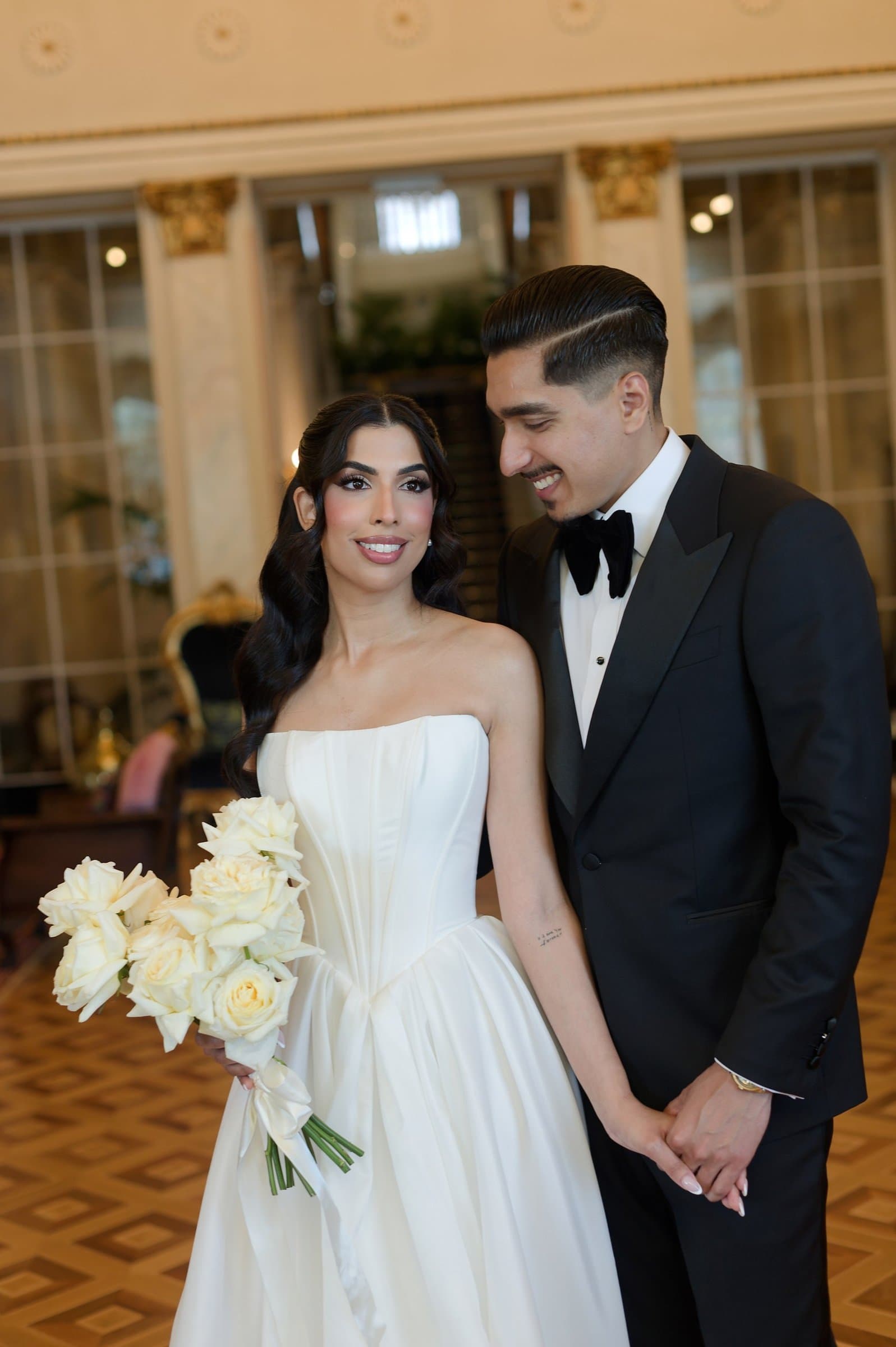
Our piece on choosing a wedding suit that photographs well goes into the finer points of how cloth and cut read on camera, which matters more, not less, once the light gets shorter and the windows for a good shot get smaller.
Sock length and overcoat length are two details grooms rarely think about until the photographer asks everyone to sit for a group shot on a step outside. A sock that rides up shows bare leg the moment a trouser cuff lifts in the cold, and an overcoat cut too short leaves the jacket hem exposed to wind. Neither ruins a photo on its own, but together they are the difference between a group shot that looks composed and one that looks rushed.
What It Costs to Get This Right
Custom suits at Conxeppt start from $1,188, tuxedos from $1,388, and shirts from $288. Those are starting prices, not the ceiling, and the final figure depends on cloth choice and any additional pieces such as a waistcoat for the layering a winter wedding demands.
What that price buys is a garment built for your body and your date, not a rack size adjusted at the last minute. It also buys the fitting process itself: the measuring, the cloth conversation, and the second fitting where the fit gets checked once the garment exists rather than guessed at from a catalogue. Conxeppt has 217 five-star reviews from clients who went through that same process, and you can read what they said in their own words on our client reviews page before you book.
Booking Your Date Before the Calendar Fills
Fall and winter used to be the quiet season for weddings in Edmonton. That has changed, and appointment slots for a full 4 to 6 week build fill up the same way summer ones do, particularly around long weekends and the weeks before Christmas.
There is a second reason to book early that has nothing to do with the calendar filling up: alterations. Even a well-measured tuxedo can need a half-inch adjustment once you see it under the actual shirt and layers you plan to wear on the day, and that adjustment takes time the shop needs to schedule properly rather than rush through in the final week. Grooms who book in August for a December wedding get two fittings and a proper final check. Grooms who book in October get one fitting and a hope that nothing needs correcting.
If your wedding date is set, the next sensible step is to book a private fitting before the calendar does the deciding for you.