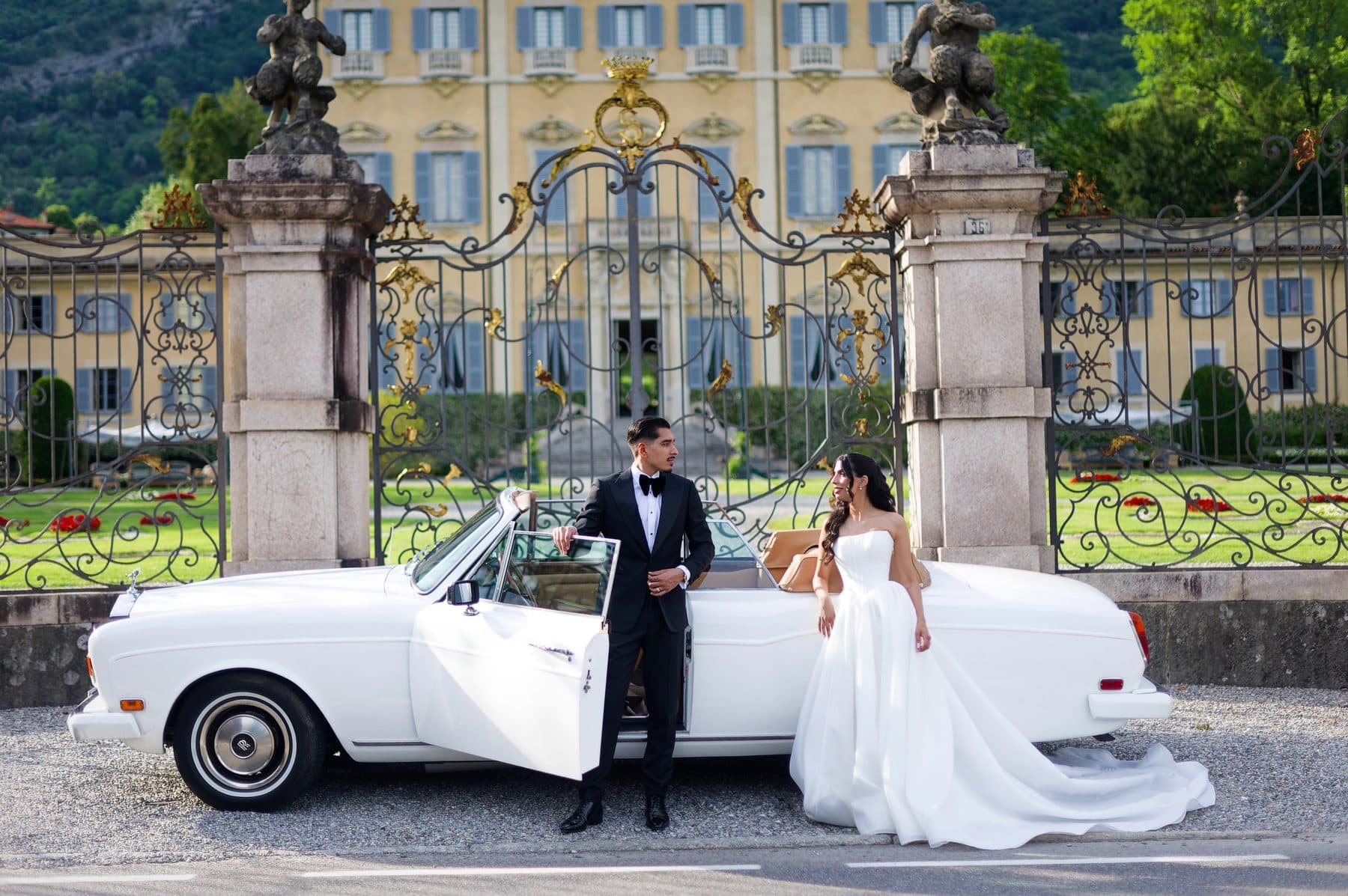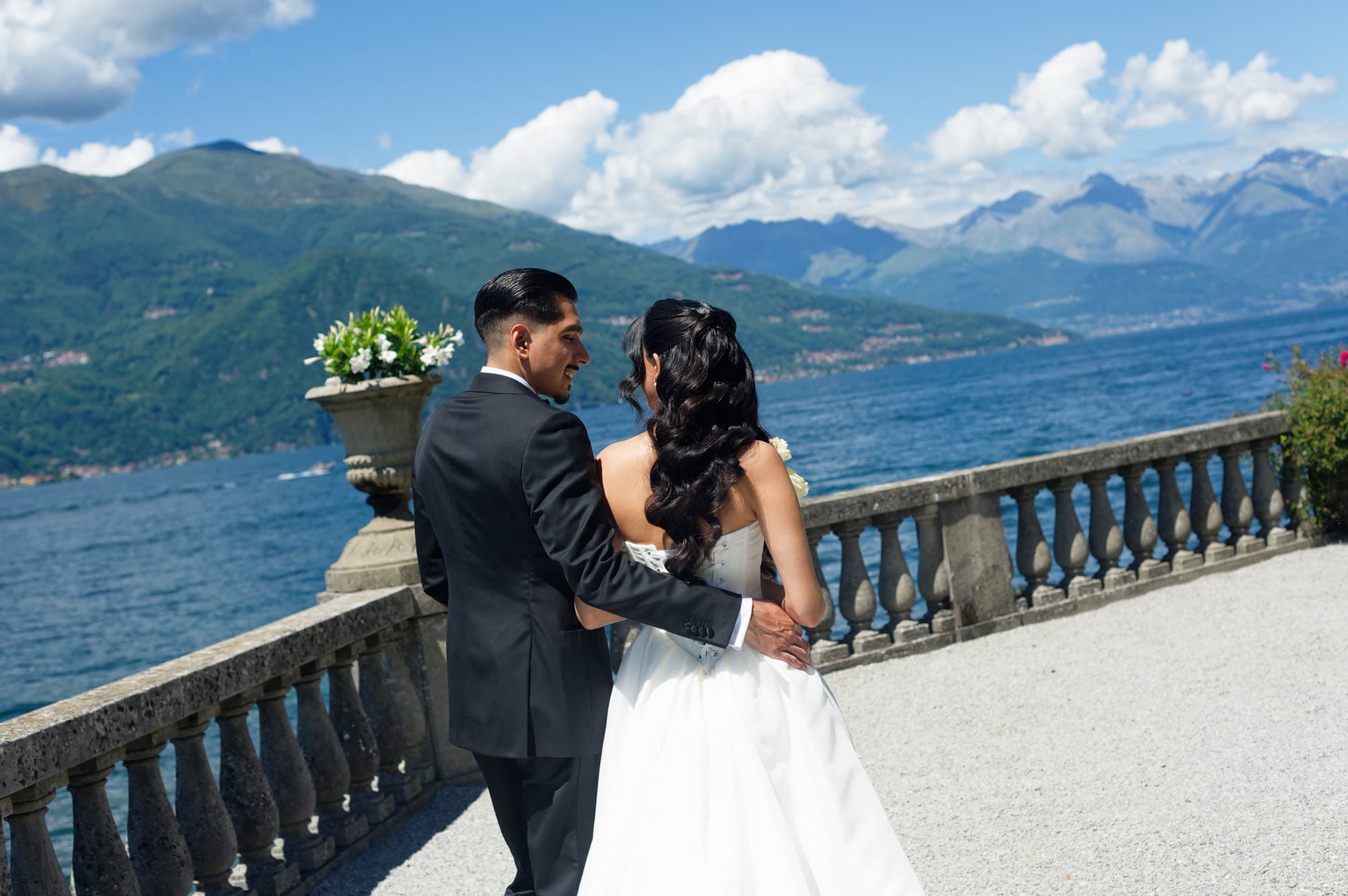


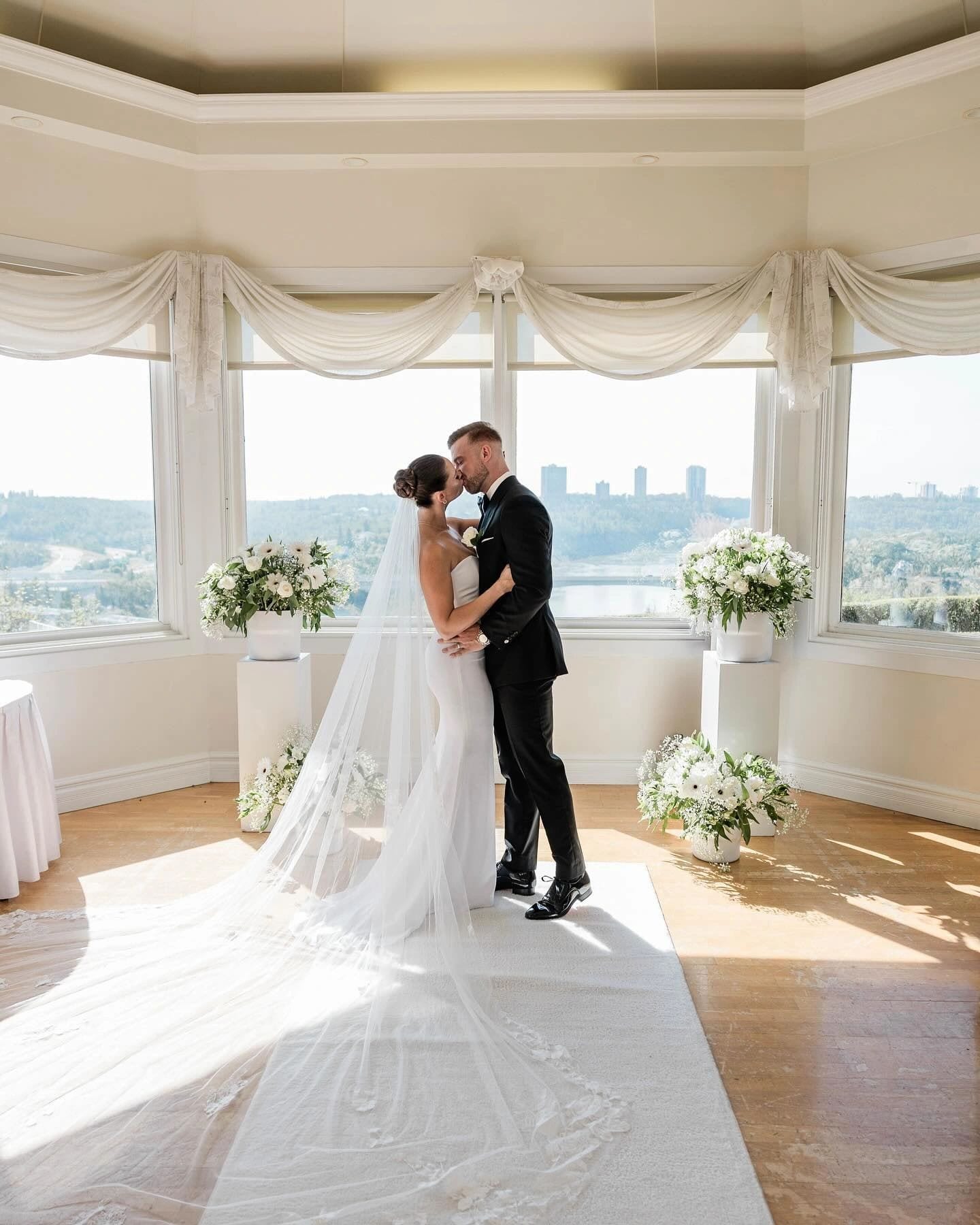
A custom tuxedo is a set of evening decisions that an ordinary suit never asks you to make. This Conxeppt guide walks through them one at a time: the lapel and its facing, the single button, the braided trouser, the cloth, the shirt, and the proportions of the person wearing it.
Black tie has rules, and most of them exist for a reason you can see from across a room. Faced lapels catch the light. The jacket closes once and opens into a deep frame for the shirt. When the garment is cut for you, each of those rules becomes a choice with a measurement attached, and the choices add up. Get the proportions right and even an unusual detail looks deliberate. Get them wrong and the most traditional tuxedo can look borrowed.
What Separates an Evening Jacket From a Dark Suit
Wikipedia's entry on black tie describes it as a "semi-formal Western dress code for evening events". That definition is useful because it puts the dress code first. A tuxedo exists to satisfy a code, and every detail that separates it from a dark suit traces back to that code's preference for contrast and clean lines.
Only a few details do that work. Satin or grosgrain faces the lapels, and matching material covers the buttons. Pockets are jetted, cut as slits with no flaps to break the line. Down the outside of each trouser leg runs a stripe of braid, and the waistband has no belt loops. A dark suit can look superb at night, and if you are still choosing between the two for a wedding, our piece on tuxedo versus suit for weddings covers that decision. What follows assumes you have chosen the tuxedo and want each of its details right.
Peak, Shawl or Notch: Choosing the Evening Lapel
Two lapels belong to evening wear by long convention. The peak lapel points up and out toward the shoulder, which broadens the chest and draws the eye toward the face. The shawl collar is one unbroken curve from the back of the neck to the button, softer and a little more relaxed, with roots in the Victorian smoking jacket. The notch lapel, with its step where collar meets lapel, is the daytime lapel brought into the evening. Plenty of people wear it to black-tie events and nobody will turn you away, but beside a peak or a shawl it tends to read as a business suit with silk added.
Width matters as much as shape. A lapel is judged against the shoulder and chest it sits on, so a three-inch lapel can look generous on a narrow frame and timid on a broad one. When the pattern is drawn from your measurements, the lapel can be scaled to your own proportions, which a size label cannot do. Lapel widths have swung wide and narrow many times over the past century, and the extremes date fastest. Choose a width in proportion to your shoulder and it will still look right in photographs taken years from now.
Satin or Grosgrain: How the Facing Takes the Light
The facing is the layer of silk or synthetic laid over the lapel, and it is the most visible decision on the jacket. Satin has a smooth face that reflects light in one sheet, so it flashes under a camera and glows by candlelight. Grosgrain is woven with fine horizontal ribs, which break the light into a quieter, matte texture. Neither is the wrong answer. Satin suits a ballroom built for glamour; grosgrain suits a wearer who would like the cut to do the talking.
Whatever you choose, carry it through the whole outfit. Your facing should cover the buttons and match the braid on the trouser, and the bow tie looks best in the same material and finish. A satin lapel beside a grosgrain tie is the kind of mismatch most people cannot name and still notice. It is also worth asking whether the facing is silk. Silk satin tends to hold a softer, deeper sheen, while some synthetic satins look glassy under strong flash, which matters when a photographer will spend the evening a few feet away.
One Button, and Exactly Where It Sits
The single-breasted dinner jacket traditionally closes with one button, and that single point of closure does a great deal of work. It opens a long V that frames the shirt front and the bow tie. It also creates one clean waist, where a two-button jacket would give a softer, longer line. With only one button on the front, its height governs everything above and below it.
Set it at or just above your natural waist and the jacket lengthens the leg and narrows the middle. Set it too low and the torso stretches while the legs look shorter. Set it too high and the opening shrinks to a small window that crowds the shirt and makes the lapels look stubby. Drawn for you, a pattern can place that button to within half an inch, and on a dinner jacket half an inch shows, because there is no second button to share the job.
Double-breasted dinner jackets follow a different logic. They close with buttons in two columns and cover the waist completely, which is why convention allows them to be worn without a cummerbund or a waistcoat. It looks structured and formal, well suited to someone who intends to keep the jacket fastened all evening. It is less comfortable through a long seated dinner, so weigh how many hours of the wedding you will spend at the table.
The Evening Trouser Has Its Own Rules
Evening trousers are cut from the jacket's cloth and finished in ways a suit trouser never is. One row of braid runs down the outside seam, usually matching the lapel facing. Two rows belong to the trousers worn with a tailcoat at white tie, so a single row is the quiet signature of black tie. There are no belt loops, since a belt has no place under an evening jacket. The waist is held by side adjusters, or by braces buttoned to the inside of the waistband.
The rise is where cutting to your own measurements pays off most. Black tie expects the waistband to stay out of sight under a cummerbund or a waistcoat, and a trouser that sits low on the hips leaves a band of white shirt showing every time you lift an arm to dance. A higher rise, drawn to the length of your own torso, closes that gap for good. Tradition also leaves the hem plain, with no turn-up, and cuts the length for the evening shoe with little or no break. Our guide to what shoes to wear with a tuxedo covers that half of the decision.
If you will wear heels with the trousers, settle on the height before the hem is set and keep to it on the day. Trousers cut for women often sit at a different point on the waist, a subject our guide to the women's tailored suit treats in detail. The evening rules about braid and a hidden waistband apply in the same way.
Black, Midnight Blue and the Cloth Underneath
Black is the default, and it is never wrong. Midnight blue is the established alternative at black tie, and its case rests on how a very dark blue behaves under artificial light. In a dim room it can read as a deeper, richer black than black cloth does, which can pick up a faint grey or green cast. How strong the effect is depends on the dye and the lighting, so look at a swatch under lamplight as well as by a window before you decide.
The weave matters as much as the colour. Barathea is a fine, pebbled weave with a dense surface that resists creasing and holds a crisp edge, and it has long been associated with evening wear. Wool and mohair blends carry a slight natural lustre and recover well after hours of sitting, though they feel crisper against the skin. For softness, a plain dark worsted is often the better choice. Season matters too: a summer wedding with a full dance floor rewards a lighter, more open cloth, and a winter gala can carry more weight.
Custom Tuxedo Proportions When the Pattern Starts With You
Black tie began as men's evening dress, and many of the people who wear it to weddings are not who its rules first imagined. Brides choose a tuxedo for the ceremony or change into one for the reception, and two grooms may want jackets that relate without matching. The rules about facings and braid travel well across every wearer. Proportions do not, and that is where a pattern drawn for you earns its place.
Jacket length is one example. A dinner jacket should cover the seat, and on a shorter frame the right length sits a fraction of an inch from looking like a coat. The depth of the opening is another. On a broad chest a deep V looks balanced; on a slighter frame the same depth can swallow the shirt, so the button height and the roll of the lapel need to be decided together.
Neckwear is worth deciding early as well. A bow tie is the black-tie standard for anyone who wants it, but some wearers prefer an open collar or a silk top under the jacket, and the opening can be cut with that in mind. Tell your tailor what will sit underneath before the pattern is drawn.
The Shirt and Cuff That Complete the Line
An evening shirt is built around studs and cufflinks. Its front is usually a pleated bib or a panel of marcella, a firm cotton piqué with a fine raised texture, and it closes with small studs. Cuffs are double, folded back and fastened with links. For black tie the collar turns down. Wing collars, stiff and upright, belong with white tie and the tailcoat, even though they often turn up beside a dinner jacket.
Shirt and jacket work as a pair. Between a quarter and half an inch of cuff should show below the jacket sleeve, so the link catches the light when you raise a glass. Getting that right depends on the sleeve and the shirt being measured from the same arm in the same posture. Something similar holds at the neck, where the shirt collar meets the jacket's gorge, the point at which collar and lapel join. A collar set too low disappears under the lapels; one set too high crowds the bow tie.
Keep the jewellery plain. Onyx or mother-of-pearl in a simple setting has been the evening choice for generations, and a slim watch, if you wear one, should slip under the cuff without a fight.
Which Evening Details Date, and Which Last
Most black-tie mistakes are borrowed from whatever suit happens to be fashionable at the time. Very narrow lapels and cropped trousers showing the ankle both looked current at one point, and both now date a photograph within a few seasons. The traditional choices have lasted because each one solves a problem. A lapel in proportion, one button at the waist, a single braid and a hidden waistband will look correct in a wedding album twenty years from now.
None of that turns a tuxedo into a uniform. Personality lives in the choices that stay inside the rules: midnight blue over black, grosgrain over satin, a shawl collar for a relaxed reception, a pair of links with a story behind them. Those are the decisions worth your time, and they are the ones a garment cut for you lets you make.
At Conxeppt, a custom tuxedo starts from $1,388, and the cloth and detailing you choose set the final price, confirmed at your consultation. Allow 5 to 7 weeks from the first measurement to the final fitting, so start well before the wedding or the gala, not in the month of it.
If you are dressing for a wedding, our wedding tailoring page is the place to start. When you are ready, you can book a private fitting or call Dave on 780.994.9402.