
Velvet, and When to Risk It: A Tailor on the Evening Cloth
An exploration of one of tailoring's most distinguished fabrics: its remarkable construction, its storied history and the velvet dinner jacket's enduring place in the modern wardrobe.
There are fabrics that serve a purpose, and there are fabrics that establish a presence. Velvet belongs to the latter.
Few textiles communicate sophistication, confidence and occasion quite like velvet. Its richness does not depend on an elaborate pattern, a recognizable label or excessive detailing. Its distinction lies in the fabric itself: the depth of its colour, the movement of its surface and the extraordinary way it interacts with light.
Traditional eveningwear relies on the contrast between fine wool and silk lapels. Velvet transforms the entire garment into something visually compelling. It introduces dimension to tailoring, allowing even the simplest silhouette to command attention.
From nineteenth-century smoking rooms to contemporary black-tie affairs, winter weddings and private celebrations, velvet has remained a fabric reserved for occasions worth dressing for.
The Art of Weaving Velvet
Velvet is unlike most fabrics used in traditional tailoring. Its distinctive texture is the result of a remarkably intricate weaving process.
In the double-cloth method, two lengths of fabric are woven simultaneously, face to face. An additional set of warp threads travels between them. A blade then passes through the space separating the two cloths and cuts the connecting threads. The result is two lengths of velvet, each with a dense surface of short, upright fibres known as the pile.
Because these fibres originate from the warp, the threads running lengthwise through the fabric, velvet is classified as a warp-pile textile.
The pile is typically no more than three millimetres in height. This short construction allows the fibres to remain upright and densely packed, creating the continuous, luxurious surface for which velvet is recognized.
The quality of velvet is particularly evident in its density. A beautifully woven velvet should reveal uninterrupted colour when tilted towards the light, without exposing the underlying cloth.
It is an elaborate construction for an apparently simple fabric, and therein lies much of its appeal.
Why Velvet Never Holds One Colour
One of velvet's most fascinating characteristics is its relationship with light.
Unlike a flat-woven fabric, velvet presents millions of individual fibre ends to the eye. Depending on the angle from which it is viewed, these fibres absorb and reflect light differently.
A midnight-blue velvet jacket may appear almost black across the room, only to reveal a rich navy as its wearer moves. A deep burgundy can transition from a restrained oxblood to a luminous wine red. Forest green develops an extraordinary depth that few conventional fabrics can replicate.
The Nap
Every velvet also has a direction, known as the nap. Run your hand across the fabric in one direction and it feels smooth. Reverse the movement and you encounter resistance.
For a tailor, this presents an additional consideration. Every visible panel must be cut with the nap running consistently. Otherwise the sleeves, body and other components may appear to be entirely different shades, despite being cut from the same cloth.
This directional cutting also requires more fabric than conventional tailoring.
Velvet is, in many respects, a fabric that must be experienced rather than simply observed. A small swatch can communicate its colour, but only a finished garment can reveal its character.
From Royal Courts to the Smoking Room
Historically, velvet was woven from silk. That made it an expensive and labour-intensive textile, associated with aristocracy, ceremonial dress and European royal courts.
Its association with wealth and distinction was not merely aesthetic. The complexity of its production and the cost of its raw materials placed it beyond the reach of much of society.
By the nineteenth century, velvet had established a more intimate place in gentlemen's tailoring through the smoking jacket.
During the Victorian era, gentlemen would often retire after dinner to a library or smoking room. There they exchanged their formal evening coats for velvet jackets, designed to help protect their evening attire from tobacco smoke and falling ash.
The smoking jacket was often constructed with quilted silk facings, shawl collars and decorative frogged fastenings. It represented a more relaxed expression of refinement. It was clothing worn in private company, when the formal obligations of the evening had concluded.
Velvet also found its way into the Chesterfield overcoat, distinguished by its contrasting velvet collar, and the embroidered Albert slipper.
These garments established an association that remains remarkably intact today: velvet belongs to a world of cultivated leisure, hospitality, celebration and personal distinction.
The contemporary velvet dinner jacket is a natural evolution of that tradition.
The Different Types of Velvet
Not all velvet is created equal. Its composition influences everything from its lustre and drape to its suitability for structured tailoring.
Silk velvet possesses a fluid drape and exceptional lustre. Its delicate nature makes it particularly suited to evening gowns, blouses and softer silhouettes.
Cotton velvet is generally firmer and more substantial. That makes it an excellent choice for structured dinner jackets, blazers and tailored eveningwear. Its dense pile produces a rich, understated finish without excessive shine.
Viscose-blend velvet introduces additional lustre and fluidity, creating a more expressive surface depending on its composition.
Velvet, Velveteen and Corduroy
Velvet should not be confused with velveteen or corduroy. Both belong to the broader family of pile fabrics, but their pile is formed from the weft rather than the warp. Velveteen typically has a shorter, more matte appearance. Corduroy is distinguished by its characteristic ridges, known as wales.
Each serves a different purpose within a wardrobe. Velvet, however, remains particularly distinguished in the context of eveningwear.
The Sophistication of Velvet
Sophistication is as much about understanding context as it is about the garment itself.
A beautifully tailored velvet jacket communicates an appreciation for texture, occasion and the nuances of personal style. It suggests a wardrobe that has evolved beyond the essentials. In that wardrobe, garments are selected not simply for their practicality, but for the experiences they accompany.
There is a particular confidence in wearing velvet well. The fabric already possesses considerable visual character and requires very little embellishment. A beautifully proportioned peak lapel, an elegant shawl collar or a commanding double-breasted silhouette is often all that is necessary.
Unlike conspicuous luxury, velvet does not depend on recognition. Its sophistication is inherent in its construction and becomes more apparent the closer one gets.
It is a fabric that rewards proximity.
Velvet and the Winter Wedding
Few settings complement velvet as beautifully as a winter wedding.
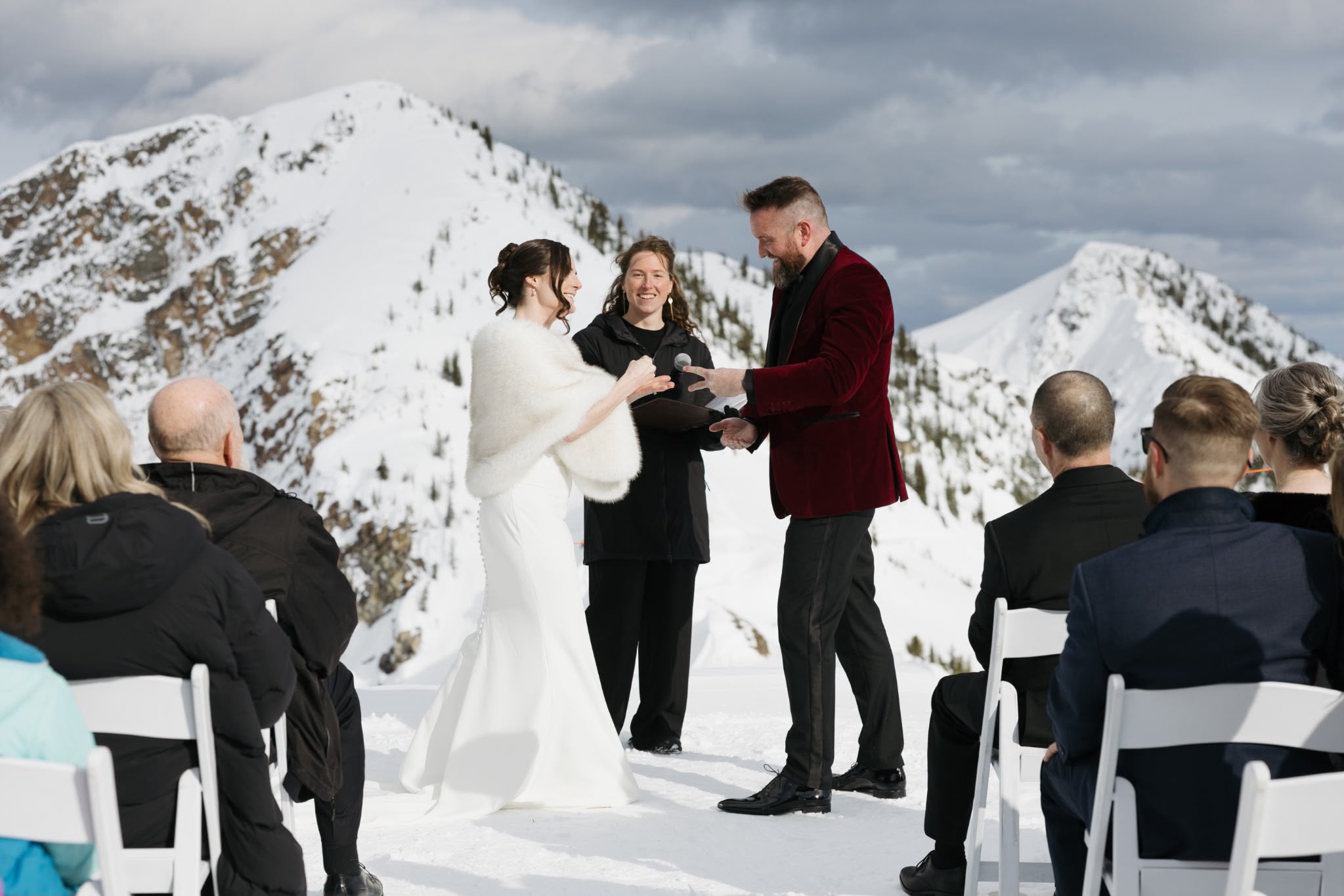
Imagine a ceremony against the snow-covered Canadian Rockies, an intimate celebration at a historic estate or a candlelit reception overlooking a winter landscape.
Against the muted whites, greys and natural tones of winter, velvet introduces richness, warmth and extraordinary visual contrast. Its texture creates a sense of dimension that conventional suiting fabrics rarely achieve, particularly in wedding photography.
A forest-green velvet dinner jacket against a snow-covered landscape offers a distinctly romantic aesthetic. Deep burgundy introduces warmth and character. Midnight blue and black create a more timeless, cinematic expression of formalwear.
For the groom, velvet presents an opportunity to establish distinction without departing entirely from the conventions of evening dress. A custom velvet dinner jacket paired with traditional black tuxedo trousers, a crisp white formal shirt and a black bow tie is a sophisticated alternative to the conventional tuxedo. Our guide to what fall and winter grooms need to know covers the rest of the season's decisions.
Dense cotton velvet also offers a more substantial fabric for colder-season celebrations. For outdoor ceremonies, however, a beautifully tailored wool or cashmere overcoat remains essential, particularly in the Canadian winter. Velvet is not weatherproof and should be protected from prolonged exposure to snow and moisture.
The result is an ensemble that feels considered in relation to its surroundings, rather than simply selected for the occasion.
When to Wear Velvet
Velvet is traditionally associated with autumn and winter. Its appropriateness, however, is determined as much by the atmosphere of an occasion as by the season itself.
Its natural environment is one of warm lighting, intimate surroundings and elevated hospitality. Candlelight, fireplaces, historic architecture and softly illuminated dining rooms bring its distinctive surface to life.
Velvet is particularly well suited to:
- Winter weddings and mountain celebrations
- Black-tie galas and formal receptions
- Christmas parties and holiday celebrations
- New Year's Eve
- Private dinners and members' clubs
- Opera, theatre and cultural events
- Cocktail receptions and sophisticated evening gatherings
- Hosting and entertaining at home
For formal black-tie occasions, a velvet dinner jacket can be an exceptional choice when the dress code permits individual expression. For particularly traditional ceremonies or strict formal events, a conventional black or midnight-blue custom tuxedo remains the most appropriate foundation.
Understanding that distinction is part of dressing well.
Choosing the Right Colour
The depth of velvet allows colours to take on an entirely different personality than they would in conventional wool.
Black: Timeless, dramatic and exceptionally elegant. Black velvet is particularly effective in monochromatic eveningwear, where the distinction comes from texture rather than colour.
Midnight blue: A sophisticated alternative to black, revealing subtle variations in colour as the light changes.
Forest green: Rich, distinguished and quietly expressive. Particularly compelling for winter weddings, private dinners and seasonal celebrations.
Burgundy and oxblood: Warm, romantic and reminiscent of the traditional smoking jacket. These colours possess an enduring association with heritage interiors and classic eveningwear.
Chocolate brown: Understated and contemporary, with a warmth that pairs beautifully with cream, ivory and black.
Emerald: More expressive and theatrical, best reserved for occasions that welcome a stronger individual aesthetic.
For a first velvet garment, a darker, more restrained colour offers the greatest versatility. The objective is to allow the richness of the fabric to reveal itself naturally.
How to Style a Velvet Dinner Jacket
Velvet is most effective when surrounded by quieter textures.
For traditional eveningwear, pair a velvet dinner jacket with:
- Black fine-wool tuxedo trousers
- A white formal shirt
- A silk bow tie
- Polished black evening shoes
For a more contemporary interpretation, a velvet jacket can be worn with a fine-gauge black merino or cashmere turtleneck, tailored trousers and understated leather footwear.
In womenswear, a structured velvet blazer creates an equally sophisticated evening silhouette. Pair it with a silk camisole and beautifully tailored trousers, or go for a complete velvet suit.
The relationship between textures is important. Velvet already provides considerable visual depth, so excessive patterns, competing fabrics and unnecessary accessories can diminish its impact.
Let the fabric speak for itself.
The Craftsmanship Behind a Custom Velvet Jacket
Velvet is among the more technically demanding fabrics in tailoring.
Its pile can cause layers of fabric to shift against one another during construction, requiring careful basting and precise stitching. Conventional pressing methods can flatten the fibres and permanently alter the appearance of the cloth.
Specialized equipment, including needle boards, allows tailors to press seams while preserving the integrity of the pile.
Alterations also require particular consideration, as previous stitching and pressing can leave visible impressions in the fabric.
These characteristics make accurate measurements, thoughtful pattern construction and experienced craftsmanship especially important.
A beautifully constructed velvet jacket should possess clean lines, balanced proportions and a consistent surface that allows light to travel naturally across the garment.
At Conxeppt, the design process considers not only the fabric, but the wearer's proportions, complexion and personal aesthetic. It also considers the environment in which the garment will be worn.
From lapel proportions and jacket construction to buttons, silk facings and personalized linings, every decision contributes to the finished expression.
Caring for Velvet
A quality velvet garment can remain a distinguished part of a wardrobe for many years when cared for correctly.
- Store it on a broad, shaped hanger with sufficient space around the garment.
- Avoid prolonged pressure that may crush the pile.
- Brush gently in the direction of the nap using a suitable garment brush.
- Never apply a conventional iron directly to the surface.
- Allow minor moisture to dry naturally, away from direct heat.
- Consult a specialist cleaner experienced in velvet and luxury tailoring.
Always follow the care instructions specific to the fabric. Different velvet compositions respond differently to moisture, steam and cleaning.
A Wardrobe Beyond the Essentials
A conventional tuxedo is a foundation. A velvet dinner jacket is an expression of personal taste.
Not every garment in a wardrobe needs to answer every invitation. Some are intended for particular environments, particular seasons and particular moments in life.
That is precisely what makes velvet so compelling.
It belongs in a wardrobe that recognizes the distinction between being appropriately dressed and being exceptionally dressed. It reflects an appreciation for craftsmanship, an understanding of occasion and the confidence to introduce individuality within the traditions of formalwear.
At Conxeppt Clothing & Culture, we believe a wardrobe should be designed around the life you lead and the occasions you intend to experience.
Whether you are preparing for a winter wedding, a black-tie celebration or an evening worth remembering, our custom velvet garments offer an opportunity to create something distinctly your own.
Discover custom velvet tailoring at Conxeppt.
Book a private consultation to explore our velvet fabric collections and design a garment that is entirely personal to you.